
Digitalization Revolution in China's Chemical Industry Trade: Transforming Global Commerce
2026-04-20
In the heart of global trade, China's chemical industry is undergoing a profound digital transformation—a revolution reshaping how commerce flows across borders. Driven by innovation and technology, this shift is not just about efficiency; it's about redefining the very fabric of international supply chains. As companies and investors navigate this dynamic landscape, staying informed is key. At ICIF, we're at the forefront of this change, connecting insights with opportunities. In this blog, we'll explore how digitalization is powering China's chemical trade, unlocking new pathways for growth and collaboration. Get ready to dive into a world where data meets demand, and tradition meets transformation.
The Rise of Digital Platforms in China's Chemical Marketplace
In recent years, the chemical industry in China has undergone a significant transformation with the rapid adoption of digital platforms, reshaping traditional business models. These platforms connect buyers and sellers across the vast market, streamlining procurement processes and reducing transaction costs. By integrating features like real-time pricing, supply chain management, and quality verification, they enhance transparency and efficiency, fostering a more dynamic and competitive environment.
Emerging technologies such as AI-driven analytics and blockchain are being leveraged by these platforms to offer predictive insights and secure transactions, addressing long-standing challenges like information asymmetry and trust issues. Companies are increasingly utilizing these digital tools to optimize inventory, forecast demand, and develop sustainable practices, positioning China as a leader in innovation within the global chemical sector.
The proliferation of these platforms has not only accelerated market growth but also spurred regulatory adaptations to ensure compliance and safety. As more enterprises embrace digitalization, the chemical marketplace is becoming more resilient and accessible, paving the way for future advancements and international collaborations.
Leveraging Big Data to Optimize Global Chemical Supply Chains
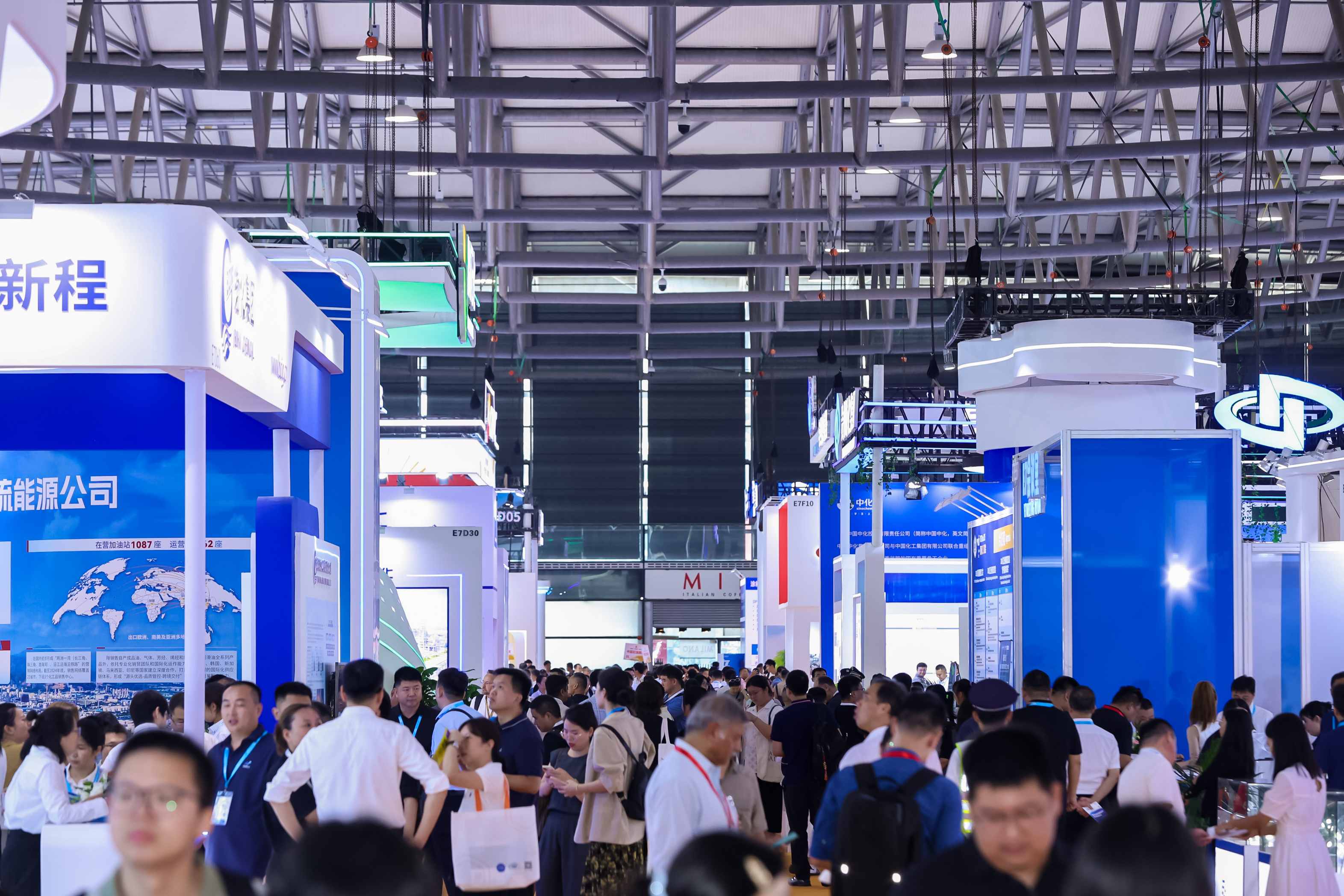
By harnessing the power of big data analytics, companies in the chemical industry can transform their global supply chains from reactive to proactive systems. This approach allows for real-time monitoring of raw material availability, production processes, and distribution networks, enabling swift adjustments to market fluctuations or unexpected disruptions. For instance, predictive models can anticipate delays in shipping routes based on weather patterns or geopolitical events, helping chemical firms reroute shipments or adjust inventory levels before bottlenecks occur, thereby minimizing downtime and reducing costs.
Moreover, big data facilitates the integration of diverse data sources, such as IoT sensors on storage tanks, supplier performance metrics, and customer demand forecasts. This holistic view supports more informed decision-making, optimizing everything from procurement strategies to delivery schedules. Chemical companies can leverage these insights to enhance sustainability efforts, for example, by analyzing energy consumption across facilities to identify inefficiencies and implement greener practices, which not only cuts operational expenses but also strengthens compliance with environmental regulations.
In a competitive landscape, this data-driven optimization offers a distinct advantage by enabling customization and responsiveness to specific regional needs. Companies can tailor their supply chains to local markets, using analytics to adapt product formulations or packaging based on consumer trends and regulatory requirements. This agility not only improves customer satisfaction but also drives innovation, positioning chemical firms as leaders in a rapidly evolving global marketplace where efficiency and adaptability are key to long-term success.
AI-Driven Innovations in Chemical Production and Trade Efficiency
The integration of artificial intelligence into chemical production processes has unlocked remarkable efficiencies, fundamentally reshaping how manufacturers optimize operations. By leveraging predictive analytics and machine learning, companies now forecast equipment failures before they occur, slash energy consumption through real-time adjustments, and enhance product quality with minute precision. Beyond factory walls, AI streamlines supply chain logistics, ensuring raw materials arrive just in time and finished goods reach markets faster, all while minimizing waste and operational costs.
On the trade front, AI has become a game-changer in navigating the complex web of global regulations and tariffs. Advanced algorithms analyze vast datasets to identify optimal shipping routes, predict market demands, and automate documentation, significantly cutting down delays and compliance errors. For instance, smart contracts powered by blockchain and AI facilitate seamless cross-border transactions, boosting transparency and trust among stakeholders, which in turn accelerates the flow of chemicals across borders.
Together, these innovations foster a more agile and sustainable chemical industry. By harnessing AI for both production and trade, businesses not only improve their bottom line but also contribute to greener practices, making the sector more resilient to disruptions and aligned with global efficiency goals. This synergy is setting new benchmarks for innovation in a traditionally high-stakes field.
Cross-Border E-Commerce Models Reshaping Chemical Industry Exports
In recent years, the chemical industry has witnessed a transformative shift driven by cross-border e-commerce, moving away from traditional, labor-intensive export methods. These new models, such as B2B platforms, supply chain digitization, and direct-to-consumer channels, are streamlining global trade by reducing intermediaries and enhancing transparency. Companies can now reach international markets more efficiently, accessing real-time data on demand and pricing, which allows for quicker adaptation to market changes. This evolution is particularly impactful for small and medium-sized enterprises (SMEs) that previously faced high entry barriers, enabling them to compete on a global scale with lower overhead costs.
One standout innovation is the rise of specialized e-commerce platforms tailored to chemical products, which offer secure transaction systems, compliance tracking, and logistics integration. For instance, platforms like CheMall or ChemDirect provide marketplace solutions that connect suppliers with buyers across borders, ensuring regulatory adherence and safe handling of hazardous materials. These models not only accelerate order fulfillment but also build trust through verified reviews and certifications, addressing long-standing concerns about quality control and safety in chemical exports. By leveraging digital tools, exporters can now offer customized formulations and just-in-time delivery, meeting the specific needs of diverse industries from pharmaceuticals to agriculture.
Looking ahead, the integration of artificial intelligence and blockchain technology into these e-commerce frameworks promises to further revolutionize the sector. AI-driven analytics can predict market trends and optimize inventory, while blockchain ensures immutable records for traceability and compliance, reducing fraud risks. This synergy is fostering a more resilient and agile export ecosystem, where companies can navigate complex regulations and environmental standards with greater ease. As a result, cross-border e-commerce is not just reshaping how chemicals are traded but also driving innovation in sustainable practices and global collaboration, positioning the industry for long-term growth in an increasingly connected world.
Sustainability and Transparency Through Digital Trade Practices
Digital trade practices are revolutionizing global commerce by embedding sustainability and transparency into every transaction. These technologies enable businesses to track the entire lifecycle of products, from raw material sourcing to final delivery, ensuring that environmental and social standards are met. By leveraging tools like blockchain and IoT sensors, companies can provide verifiable data on carbon footprints, ethical labor practices, and supply chain integrity, fostering trust among consumers and stakeholders alike.
Embracing digital platforms also reduces the environmental impact traditionally associated with trade, such as paper waste and excessive travel for meetings. Virtual negotiations and e-documentation streamline processes, cutting down on resource consumption while enhancing operational efficiency. This shift not only aligns with global sustainability goals but also creates a competitive edge for businesses that prioritize eco-friendly operations and transparent reporting, making it a win-win for both the planet and profitability.
Moreover, digital trade fosters a culture of accountability by making information accessible and immutable. Real-time dashboards and public databases allow stakeholders to monitor compliance with sustainability metrics, encouraging continuous improvement. This openness not only mitigates greenwashing risks but also empowers consumers to make informed choices, driving market demand for responsible products and services. In essence, the integration of digital trade practices is paving the way for a more resilient and equitable global economy, where transparency and sustainability go hand in hand.
Future Trends: Integrating Blockchain and IoT in Chemical Logistics
The fusion of blockchain technology with the Internet of Things (IoT) is poised to revolutionize chemical logistics, offering unparalleled transparency and security in a traditionally opaque industry. By equipping containers and transport vehicles with IoT sensors that track temperature, humidity, and location in real-time, and then logging this data on an immutable blockchain ledger, companies can create a tamper-proof chain of custody. This integration not only reduces the risk of contamination or spoilage but also streamlines compliance with stringent regulatory standards, as auditors can access verified data without manual intervention, cutting down on paperwork and potential disputes.
Beyond mere tracking, this synergy enables predictive analytics and smarter supply chain management. IoT sensors detect subtle changes in chemical conditions, such as pressure fluctuations or minor leaks, and blockchain records provide a secure, traceable history that can trigger automated alerts or corrective actions. For instance, if a sensor flags an anomaly, smart contracts on the blockchain can instantly notify relevant parties, reroute shipments, or initiate maintenance protocols, minimizing downtime and safety hazards. This proactive approach transforms logistics from a reactive process to a dynamic, data-driven system, enhancing efficiency and reducing environmental risks in handling hazardous materials.
Looking ahead, as globalization increases supply chain complexity, integrating blockchain and IoT in chemical logistics will foster greater collaboration among stakeholders, from manufacturers to end-users. Shared, decentralized ledgers can build trust by providing all parties with a single source of truth, reducing fraud and counterfeiting. This trend is not just about technology; it's reshaping business models, encouraging sustainability through optimized routes and resource use, and positioning companies to lead in a competitive market where safety and transparency are paramount.
FAQ
Digitalization is transforming China's chemical trade by streamlining supply chains, enhancing transparency, and enabling real-time data exchange, which boosts efficiency and reduces costs for global commerce.
Key technologies include blockchain for secure transactions, IoT for supply chain monitoring, AI for demand forecasting, and e-commerce platforms that connect suppliers and buyers directly.
China's large-scale manufacturing base, government support for tech initiatives, and growing adoption of digital tools in logistics and finance create an ideal environment for rapid digitalization in the chemical sector.
It enhances competitiveness by improving resource allocation, reducing operational delays, and fostering innovation, allowing Chinese firms to better compete internationally and adapt to market changes.
Challenges include high initial investment costs, data security concerns, resistance to change from traditional practices, and the need for skilled personnel to manage new technologies.
One example is the development of online B2B platforms like Sinochem's e-commerce systems, which facilitate seamless transactions and inventory management across global networks.
It promotes sustainability by optimizing energy use, reducing waste through better planning, and enabling traceability for eco-friendly products, aligning with global environmental goals.
Conclusion
China's chemical industry trade is undergoing a profound digital transformation, fundamentally reshaping global commerce. The rise of digital platforms is revolutionizing the marketplace, creating efficient hubs for buyers and sellers while reducing transactional friction. Concurrently, leveraging big data is optimizing global chemical supply chains, enabling predictive analytics for demand fluctuations, inventory management, and route optimization. This data-driven approach enhances operational resilience and cost-effectiveness on a worldwide scale. Furthermore, AI-driven innovations are elevating production and trade efficiency. Machine learning algorithms improve process control, quality assurance, and automate routine trade documentation, accelerating transactions and minimizing human error. These technological strides are not just incremental improvements but represent a systemic shift in how the chemical sector operates and connects globally.
Cross-border e-commerce models are specifically reshaping chemical industry exports, breaking down traditional geographic barriers and facilitating direct international transactions through specialized digital channels. This evolution is closely tied to promoting sustainability and transparency, as digital trade practices enable better tracking of materials, carbon footprint monitoring, and adherence to environmental regulations, fostering greater trust among stakeholders. Looking ahead, future trends point toward integrating emerging technologies like blockchain and IoT (Internet of Things) in chemical logistics. Blockchain can provide immutable records for supply chain provenance and smart contracts, while IoT sensors offer real-time tracking of shipments and storage conditions. Together, these innovations promise enhanced security, efficiency, and traceability, positioning China's digitized chemical trade as a formidable, forward-looking force in the global economic landscape.
Contact Us
Contact Person: Shaozhen Zhou
Email: [email protected]
Tel/WhatsApp: 0086-18612117599
Website: https://en.icif.cn/